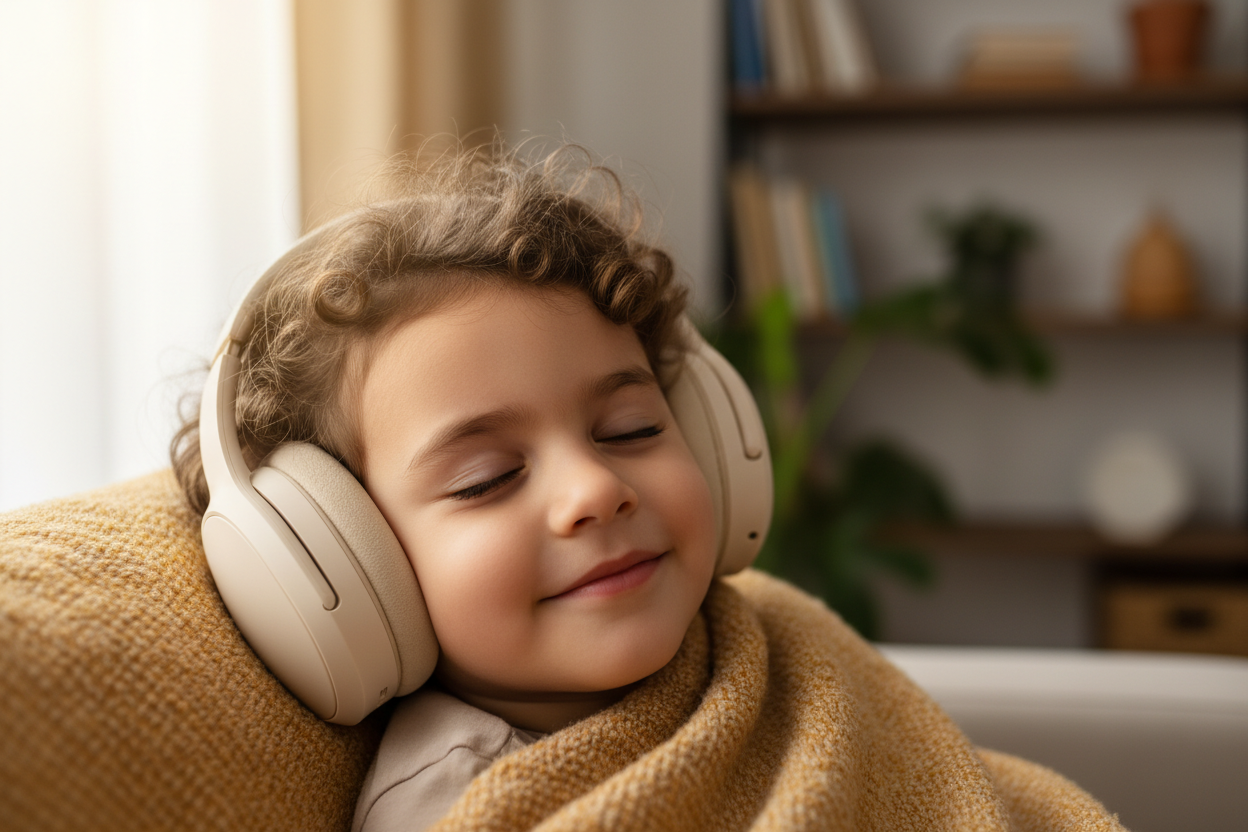
Children with Special Educational Needs and Disabilities (SEND) often navigate a world that feels louder, faster, and more overwhelming than it does for their peers. Everyday sounds , chairs scraping, buzzing lights, chatter, traffic, even the hum of a classroom , can make it difficult to concentrate, regulate emotions, or feel safe. Noise‑cancelling headphones have become a simple but powerful tool that helps many children regain a sense of calm and control.
Many children with SEND experience heightened sensitivity to noise. This can be especially true for those who are autistic, have ADHD, sensory processing differences, or anxiety‑related conditions. When the environment becomes too loud or unpredictable, it can lead to:
-
Difficulty focusing on tasks or instructions
-
Sensory overload and emotional distress
-
Avoidance of busy or noisy places
-
Fatigue from constantly trying to filter out background noise
Reducing this sensory load can make a meaningful difference in how a child learns, communicates, and participates in daily life.
Noise‑cancelling headphones don’t just block sound , they create a more predictable, manageable sensory environment. This can support children in several ways:
-
Improved focus With fewer distractions, children can concentrate better on schoolwork, reading, or play.
-
Reduced anxiety A calmer soundscape helps children feel safer and more grounded.
-
Greater independence Children can use headphones as a tool to self‑regulate when they feel overwhelmed.
-
More positive experiences in public spaces Trips to shops, cafés, or busy events become less stressful.
-
Better transitions Moving between classrooms, travelling, or entering noisy environments becomes easier to manage.
For many families and teachers, headphones become part of a child’s everyday toolkit ,as essential as a visual schedule or fidget toy.
Helping children flourish through sensory support
Noise‑cancelling headphones aren’t a cure‑all, but they can remove one of the biggest barriers many SEND children face: overwhelming sound. When the world feels quieter and more predictable, children have more space to learn, explore, and express themselves.
A calmer environment often leads to:
-
Better engagement
-
More confidence
-
Fewer meltdowns
-
Greater independence
-
Happier experiences at home and school
Small adjustments can make a big difference and for many families, headphones are one of those small but transformative tools.
Share:
Why Sensory Inclusion Matters: A Look at UK Schools and Public Spaces
The Science Behind Calm: Why Noise Reduction Matters for Kids with Additional Needs